
Fireproof Oil Tanks: What You Need to Know
 When it comes to storing heating oil safely, “fireproof” is one of the most searched terms by homeowners and businesses alike. But here’s the reality:
There’s no such thing as a completely fireproof oil tank.
What you can choose, however, is a fire-resistant oil tank and that distinction matters.
In this guide, we’ll break down what fireproof oil tanks really are, how they work, and what to look for when choosing the safest solution for your property.
What Is a Fireproof Oil Tank?
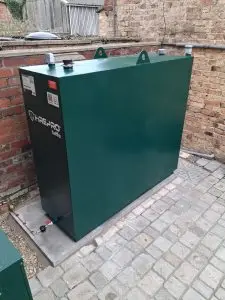
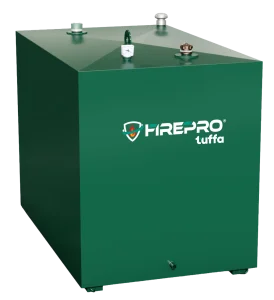
A fireproof oil tank is commonly used to describe a fire-resistant oil tank a tank designed to slow down the spread of fire and reduce risk in the event of an external blaze.
These tanks are typically:
- Bunded (double-skinned) for added protection
- Built from steel or fire-retardant materials
- Designed to meet strict UK safety regulations
They don’t stop fire completely but they can:
- Delay heat transfer
- Prevent rapid fuel ignition
- Reduce the risk of environmental damage
Why Fire Resistance Matters for Oil Tanks
If your oil tank is located near a building, boundary, or ignition risk, fire resistance becomes critical.
Key risk scenarios:
- Tanks installed close to homes, garages, or outbuildings
- Commercial settings with plant equipment or generators
- Properties in rural or exposed locations
- Areas with limited fire service access
In these situations, upgrading to a fire-rated oil tank or adding protective measures can make a significant difference.
 What Is a Bunded Oil Tank?
 What Is a Bunded Oil Tank?
A bunded oil tank provides an additional layer of protection by using a tank-within-a-tank design.
This includes:
- Inner tank holding the oil
- Outer bund capturing leaks or spills
- Reduces environmental risk
- Adds protection in the event of fire damage
- Helps meet UK compliance standards
Fire Safety Regulations for Oil Tanks (UK)
UK guidelines (including Building Regulations and OFTEC standards) outline minimum safety distances and requirements.
You may need a fire barrier or fire-rated tank if:
- The tank is within 1.8 metres of a building or structure
- It’s close to a boundary or combustible material
- It’s installed near a source of ignition
Failing to meet these standards can:
- Void insurance
- Increase fire risk
- Lead to costly remediation
Additional Fire Protection Options
If relocating your tank isn’t possible, there are still ways to improve safety:
- Fire barriers
- Tank enclosures
- Upgrading to a steel oil tank
- Professional installation and positioning
Choosing the Right Fire-Resistant Oil Tank
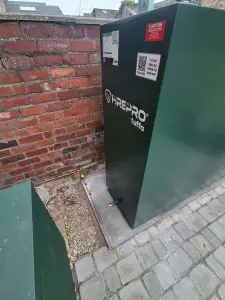
When selecting an oil tank, consider:
- Material – Steel offers the highest fire resistance
- Capacity – Domestic vs commercial oil storage needs
- Location – Distance from buildings and boundaries
- Compliance – Meets UK safety regulations
- Installation – Installed by qualified professionals
Steel vs Plastic Oil Tanks: Fire Safety Comparison
Steel Oil Tanks (Best for Fire Resistance)
- Non-combustible material
- Stronger under extreme heat
- Less likely to fail in a fire
- Ideal for high-risk or commercial installations
Plastic Oil Tanks
- Lower upfront cost
- Lightweight and easy to install
- Can soften or melt under high temperatures
For maximum safety, steel oil tanks in Yorkshire are often the preferred choice.
 Why Work with Yorkshire Oil Tanks?
 Why Work with Yorkshire Oil Tanks?
At Yorkshire Oil Tanks, we help you choose the right tank for your environment, not just the cheapest option.
We provide:
- Expert advice on fire-resistant oil tanks
- Supply and installation of bunded steel and plastic tanks
- Guidance on UK regulations and compliance
- Reliable, professional service across Yorkshire
- We won’t be beaten on price
Need Advice on Fireproof Oil Tanks?
If you’re unsure whether your current setup meets fire safety standards, or you’re planning a new installation, our team can help.
Get in touch today to discuss your requirements and find the safest solution for your property.


